

A well-organized fleet is the basis for smooth processes in the company. However, as the number of vehicles, drivers and employees involved increases, so does the complexity of day-to-day operations. What is initially easy to manage quickly develops into an organizational system with many dependencies.
This is exactly where structured fleet management comes in. It ensures that all processes in the fleet not only work, but can be controlled in a targeted manner. The establishment of a clear fleet organization is therefore a key prerequisite for efficiency, safety and economic stability.
Contents
Why a lack of structure in the fleet quickly becomes a problem
In many companies, the vehicle fleet is created step by step. New vehicles are added, more employees use them in day-to-day business and additional requirements arise.
Without a clear structure, typical problems arise:
- Information is not centrally available
- Responsibilities are unclear
- Voting costs unnecessary time
Especially when several people are involved in fleet management, a high level of coordination is quickly required. A clearly structured organization ensures stability and better decisions.
Clearly define roles: Who controls the fleet?
A functioning fleet organization begins with clearly defined responsibilities. In practice, this task is usually performed by a fleet manager.
This role combines operational and strategic tasks. The fleet manager ensures that the management of the vehicles works, coordinates drivers and supports the company in important decisions.
This role is particularly important in the growing fleet management sector, as it brings structure to complex processes and ensures an overview of the entire fleet.
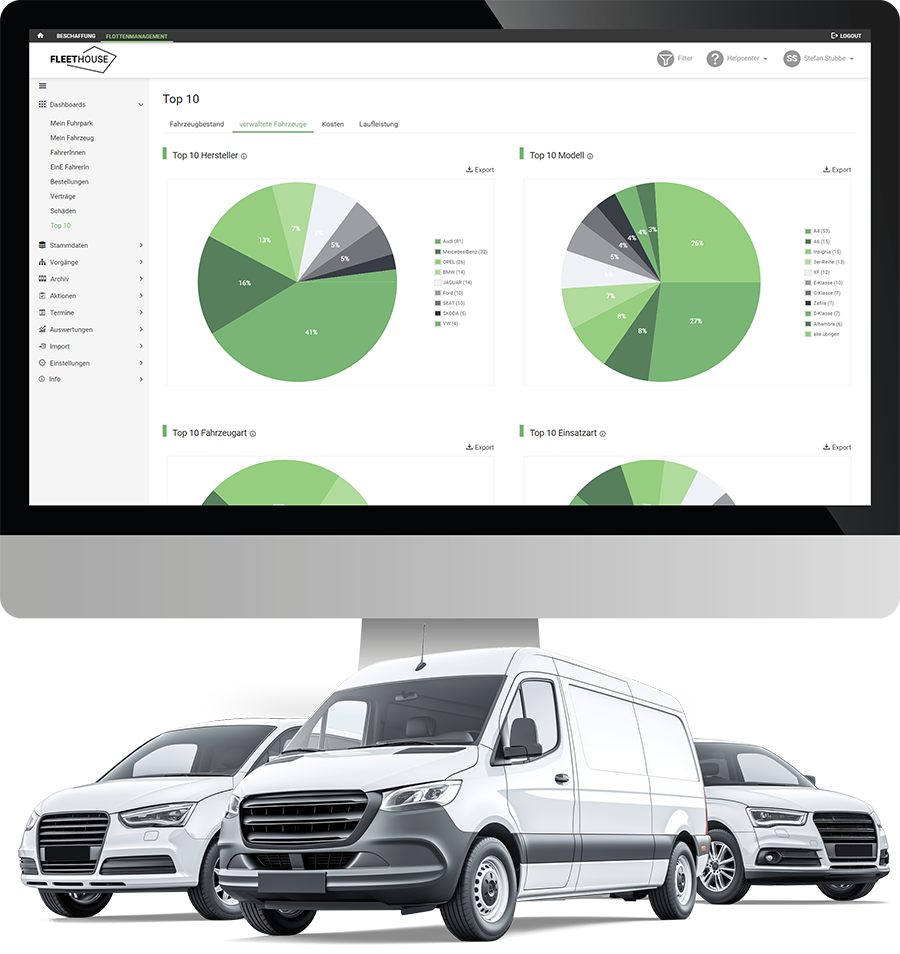
For only €2.90 per month per vehicle
You can use Fleethouse to manage your company vehicles. Completely digital and transparent.
Processes as the backbone of the fleet organization
An efficient fleet is not created by chance, but by clearly defined processes. They ensure that everyday processes remain transparent and stable.
The most important processes include
- Deployment planning for vehicles and company cars
- Organization of maintenance and servicing
- Claims management and documentation
The most important thing here is consistent implementation. A functioning and efficiently organized fleet management system can only be created if these processes are adhered to regularly.
Securely integrate legal requirements
In addition to organizational issues, legal regulations play a central role in fleet management.
Particularly important here are:
- the regular driver’s license check
- UVV driver training
- the inspection of vehicles
These tasks are not optional, but required by law. Compliance with these obligations is necessary to avoid legal risks and ensure safety in the fleet.
The importance of a clear structure for these processes becomes particularly clear when there are several drivers.
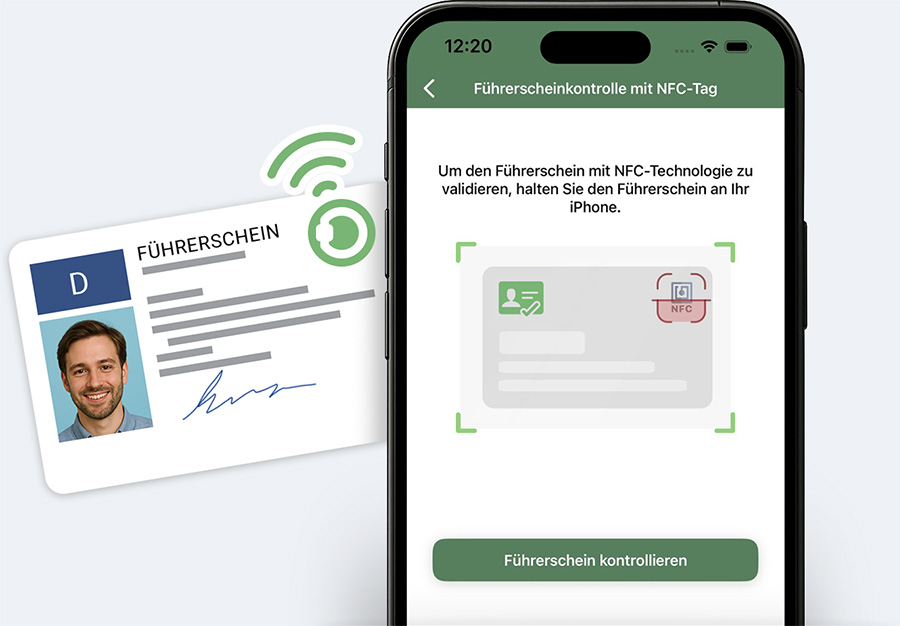
Driver's license check via smartphone app
Less effort, more safety in the fleet with the electronic driver’s license check liva from Fleethouse
Digital support as the logical next step
As the size of the fleet increases, manual processes or management using Excel spreadsheets quickly reach their limits. Information has to be maintained multiple times and important data is not available centrally.
A fleet management software solution creates clear advantages here:
- Central overview of all vehicles and employees
- Automatic reminders for appointments and exams
- Better basis for well-founded decisions
This not only makes the entire fleet clearer, but also allows it to be managed much more efficiently.
Fleet organization in everyday life: where real efficiency is created
Everyday life shows whether a fleet organization really works. Cooperation between fleet managers, drivers and other employees is crucial.
A well-organized fleet is characterized by the fact that information is quickly available and processes function without unnecessary coordination. Clear communication and structured management of all relevant data are particularly important.
Those who regularly review and adapt their processes create a stable and efficient organization in the long term.
Further Developing Operational Mobility in the Fleet
Today, a modern fleet management system involves more than just organizing vehicles. Issues such as electrification, energy consumption, and new mobility concepts are becoming increasingly important.
Structured fleet management helps with this:
- optimize the use of the vehicle fleet
- Targeted use of resources
- reduce costs and emissions in the long term
This means that the fleet is not only managed, but actively developed.
Digital fleet organization with Fleethouse
A well-thought-out fleet organization can only be implemented efficiently on a day-to-day basis if processes are supported digitally. This is exactly where the Fleethouse fleet software comes in.
The software solution helps to manage all relevant driver and vehicle data, appointments and costs centrally and to access them at any time. This noticeably reduces the administrative workload, while at the same time increasing transparency and security in the fleet.
Fleethouse helps companies not only to set up their fleet organization in a structured way, but also to implement it efficiently and reliably in day-to-day business.
Arrange an online consultation appointment
Arrange your personal consultation appointment now. You can easily select a suitable appointment using our booking tool.

Anne Fuchs

Ciara Lazeta
Conclusion: Structure makes the difference in the fleet
A clear structure with defined responsibilities and processes is the basis for an efficient and smooth-running fleet.
Compliance with legal requirements and central data management increase security and reduce organizational effort.
Digital solutions and continuous optimization can help make processes more efficient, enable more informed decision-making, and ensure that the fleet is developed in line with needs.
FAQ - Owner liability in the vehicle fleet
As a rule, responsibility lies with the company. Operationally, a fleet manager or fleet manager is usually responsible for controlling and managing the fleet.
The driving license check is a legal obligation and ensures that all drivers are authorized to drive vehicles. It serves as a legal safeguard for the company.
Clear responsibilities, structured workflows and digital support allow fleet management processes to be organized efficiently in the long term.
Driver training is part of the legal requirements and ensures that employees handle the vehicles safely and risks are minimized.
Further Fleet Knowledge
If you liked this article and would like to know more about this topic, we recommend this article.


Accident with company car: Who pays?
Further blog posts
Duties in the Fleet: UVV Instruction for Drivers
Electronic driver instruction in accordance with UVV: 5 advantages of an e-learning course
UVV significance in the vehicle fleet: An overview of the accident prevention regulations
Employer driving license check: What you need to consider in the fleet
Driving license check via app: digital, safe and efficient
Accident with company car: Who pays?
Driver’s license check for employers: sample & digital solution
Claims management: The 1×1 for fleet managers
Fleet insurance for your vehicle fleet: this is what matters
Workshop Checklist: How to find the Best Workshop for your Fleet
Loss ratio: definition and calculation
UVV inspection of company cars in the fleet: what you need to consider
Fleet management software: Why Fleethouse is worthwhile for small fleets
Fleet manager training: Qualified for modern fleet management
Fleet app – how to manage your fleet digitally and efficiently
Fleet management: how to manage your fleet efficiently
Fleet management: How to manage your vehicles efficiently
Vehicle management: importance in the fleet and helpful tips
The company car: advantages, challenges and future prospects
Fleet management without Excel: How to save time and money
Digital fleet management: Why even small fleets should digitize their fleets